

When choosing the best fabric for baby sleepwear, there is no single material that works best for every baby or sleep environment. Cotton, bamboo-derived viscose, merino wool, and synthetic fabrics can all have advantages depending on their softness, weight, construction, and how they are used.
For newborn sleepwear, soft and lightweight fabrics are often the most practical choices. Cotton and bamboo-derived viscose are two popular options, with cotton valued for its familiarity and easy care, while bamboo-derived fabrics are especially appealing for their smooth, soft, and lightweight feel. Merino wool can be useful when extra warmth is needed, while synthetics may offer durability and quick drying.
The best choice ultimately depends on your baby's sleep conditions, the thickness of the garment, and the layers worn with it.
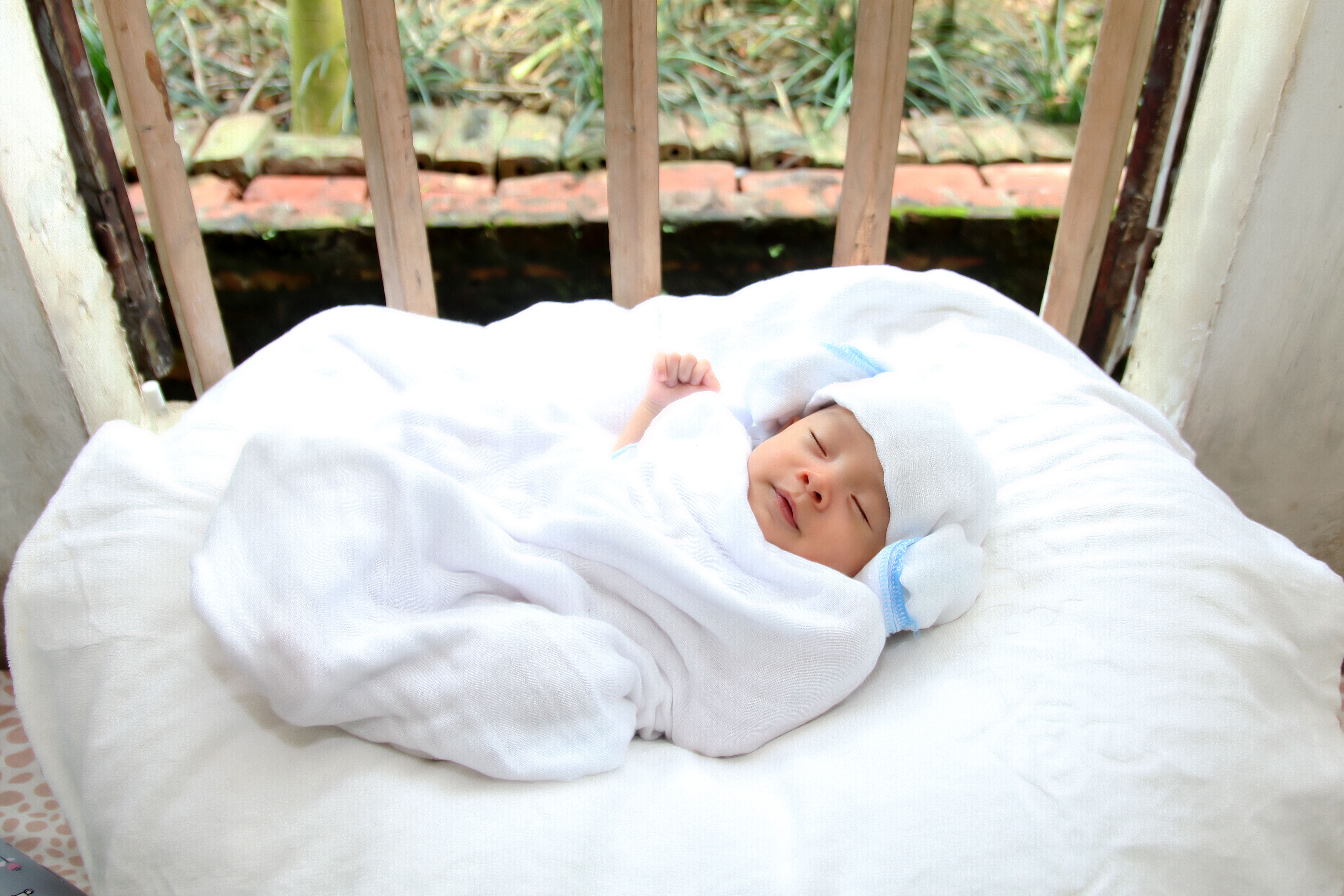
What Makes a Good Sleepwear Fabric for a Newborn?
Newborns cannot regulate their body temperature as efficiently as older children and adults, so their sleepwear needs to help maintain comfort without encouraging overheating.
The American Academy of Pediatrics (AAP) recommends avoiding overheating during infant sleep. In general, babies should wear no more than one additional layer compared with what an adult would comfortably wear in the same environment. Sweating or a chest that feels hot can be signs that a baby is too warm.
When comparing fabrics, look beyond marketing terms such as "natural" or "breathable." A good newborn sleepwear fabric usually has several practical qualities:
-
Comfortable against the skin: It should feel smooth rather than rough, stiff, or irritating.
-
Appropriate warmth: The fabric should match the room temperature and the baby's other clothing layers.
-
Reasonable moisture management: Babies can become warm or sweaty, so fabrics that do not remain heavily damp may help with comfort.
-
Suitable weight: Two garments made from the same fiber can feel very different if one is thin and lightweight while the other is thick or densely knitted.
-
Easy care: Newborn clothing is washed frequently, making durability and simple cleaning particularly useful.
Fabric type matters, but fabric weight, construction, garment design, layering, and room conditions all affect how warm the finished sleepwear feels.
What Is the Best Fabric for Baby Sleepwear?
There isn't one universally best fabric for baby sleepwear. Instead, the best option is a fabric that feels comfortable against your baby's skin, provides an appropriate level of warmth, and suits the temperature of the sleep environment.
Cotton and bamboo-derived viscose are both strong choices for everyday baby sleepwear. Cotton is widely available, easy to care for, and comes in many different weights. Bamboo-derived viscose is known for its exceptionally smooth, soft, and lightweight feel, making it an appealing option for parents looking for comfortable sleepwear, particularly in warmer conditions or for babies who prefer softer-feeling fabrics.
Merino wool can provide lightweight insulation in cooler environments, while polyester and other synthetics can be useful when durability and quick drying are priorities.
Rather than choosing based on the fiber name alone, consider the garment's thickness, fit, construction, and how it works with the rest of your baby's sleepwear.
A better question than "Which fiber is best?" is:
Which fabric, at this particular weight and thickness, keeps my baby comfortable in their current sleep environment?
That distinction matters because even an excellent fabric can make a newborn too warm if the garment is too thick or combined with too many additional layers.
Baby Sleepwear Fabrics Compared: Cotton, Bamboo, Merino, and Synthetics
Cotton
Cotton is a familiar and versatile choice for baby sleepwear.
It is widely available, relatively easy to wash, and comes in many different weights, from lightweight jersey bodysuits to thicker pajamas and sleep sacks.
Best for: families looking for a familiar, easy-care fabric available in a wide range of styles and weights.
One consideration is that cotton can retain moisture when it becomes wet, so a damp or sweaty garment may need to be changed to keep your baby comfortable.
Bamboo-Derived Fabrics
Bamboo-derived fabrics have become a popular choice for baby sleepwear because of their notably smooth, soft, and lightweight feel.
Most products marketed as "bamboo baby clothes" are made from viscose or rayon derived from bamboo rather than raw bamboo fiber. When comparing products, checking the fiber composition on the label can help you understand exactly what you are buying.
For sleepwear, bamboo-derived viscose can be particularly appealing when parents want a fabric that feels gentle, flexible, and light against a newborn's skin. Its smooth feel may also make it a comfortable option for babies with sensitive or eczema-prone skin, since rough or irritating fabrics can aggravate eczema.
Best for: parents prioritizing softness, a lightweight feel, and comfortable everyday sleepwear, parents looking for sleepwear that feels gentle on sensitive or eczema-prone skin.
As with any material, the overall warmth of bamboo sleepwear also depends on the fabric weight, garment construction, and layers worn underneath or over it.
Merino Wool
Merino wool is much finer than the coarse wool many people associate with traditional sweaters. Lightweight merino garments can provide warmth without requiring a very bulky layer.
That can make merino particularly useful in cooler rooms or climates where parents want warmth without repeatedly stacking thick clothing.
Best for: cooler sleep environments or families looking for a lightweight insulating layer.
Merino is usually more expensive than cotton or polyester, requires more careful washing in some cases, and may not suit babies whose skin becomes irritated by wool. Check the garment directly against your baby's skin before relying on it for long overnight stretches.
Synthetic Fabrics
Polyester and polyester blends are common in baby clothing because they tend to be durable, easy to care for, and relatively quick to dry.
However, "synthetic" does not describe how warm a garment will be. A thin polyester layer may feel completely different from thick fleece pajamas made from the same basic fiber.
Best for: easy-care sleepwear, frequent washing, travel, and situations where quick drying is useful.
When considering synthetic sleepwear, pay particular attention to thickness. Heavy fleece or plush fabric may provide much more insulation than a lightweight cotton or viscose garment.

Baby Sleepwear Fabrics Compared: Cotton, Bamboo, Merino, and Synthetics
How to Choose the Right Fabric for Your Baby's Sleep Conditions
Instead of choosing fabric in isolation, start with your baby's actual sleep environment.
Consider the room temperature
A warmer room generally calls for lighter sleepwear, while a cooler room may require a warmer garment or an additional appropriate clothing layer.
Avoid assuming that your baby needs heavy clothing simply because they are a newborn. The AAP advises parents not to overdress babies for sleep and suggests approximately one more layer than an adult would comfortably wear in the same environment.
Consider the whole outfit
A cotton bodysuit under a thick sleep sack can be warmer than a single merino sleeper.
Likewise, a thin bamboo-derived viscose pajama combined with multiple layers may still make a baby too hot.
Think about the complete combination rather than judging each item independently.
Check your baby, not just the fabric
Feel your baby's chest or the back of their neck to assess comfort. Hands and feet can naturally feel cooler and are not always reliable indicators of overall body temperature.
If your baby is sweating or their chest feels unusually hot, remove a layer and reassess.
Follow the sleep sack's TOG guidance
If your baby uses a sleep sack or wearable blanket, check its TOG rating and the manufacturer's clothing recommendations.
TOG gives you a way to compare how much insulation different sleep sacks provide, but it should be considered alongside room temperature, the clothing underneath, and your baby's individual comfort.
Fabric Is Only Part of Safe Baby Sleepwear
The softest or most breathable fabric cannot make an unsafe sleep setup safe.
For newborns, the AAP recommends placing babies on their backs on a firm, flat sleep surface and keeping pillows, blankets, toys, bumpers, and other loose or soft items out of the sleep area. A properly fitted wearable blanket or sleep sack can be used instead of loose blankets when additional warmth is needed.
The U.S. Consumer Product Safety Commission similarly recommends a bare infant sleep space with only a fitted sheet and warns against adding blankets, pillows, and other soft objects.
When choosing newborn sleepwear:
-
Make sure it fits properly and cannot ride up over the baby's face.
-
Avoid excessively loose garments around the neck and upper body.
-
Do not use weighted sleep sacks, weighted swaddles, or other weighted sleep products. Both the AAP and CPSC advise against them.
-
Keep your baby's head uncovered during indoor sleep.
-
If you swaddle your newborn, stop swaddling when they begin showing signs of trying to roll.
-
Choose the number and thickness of layers according to the room conditions rather than the season alone.
In other words, fit, temperature, garment design, and the overall sleep environment matter at least as much as whether the label says cotton, bamboo, merino, or polyester.
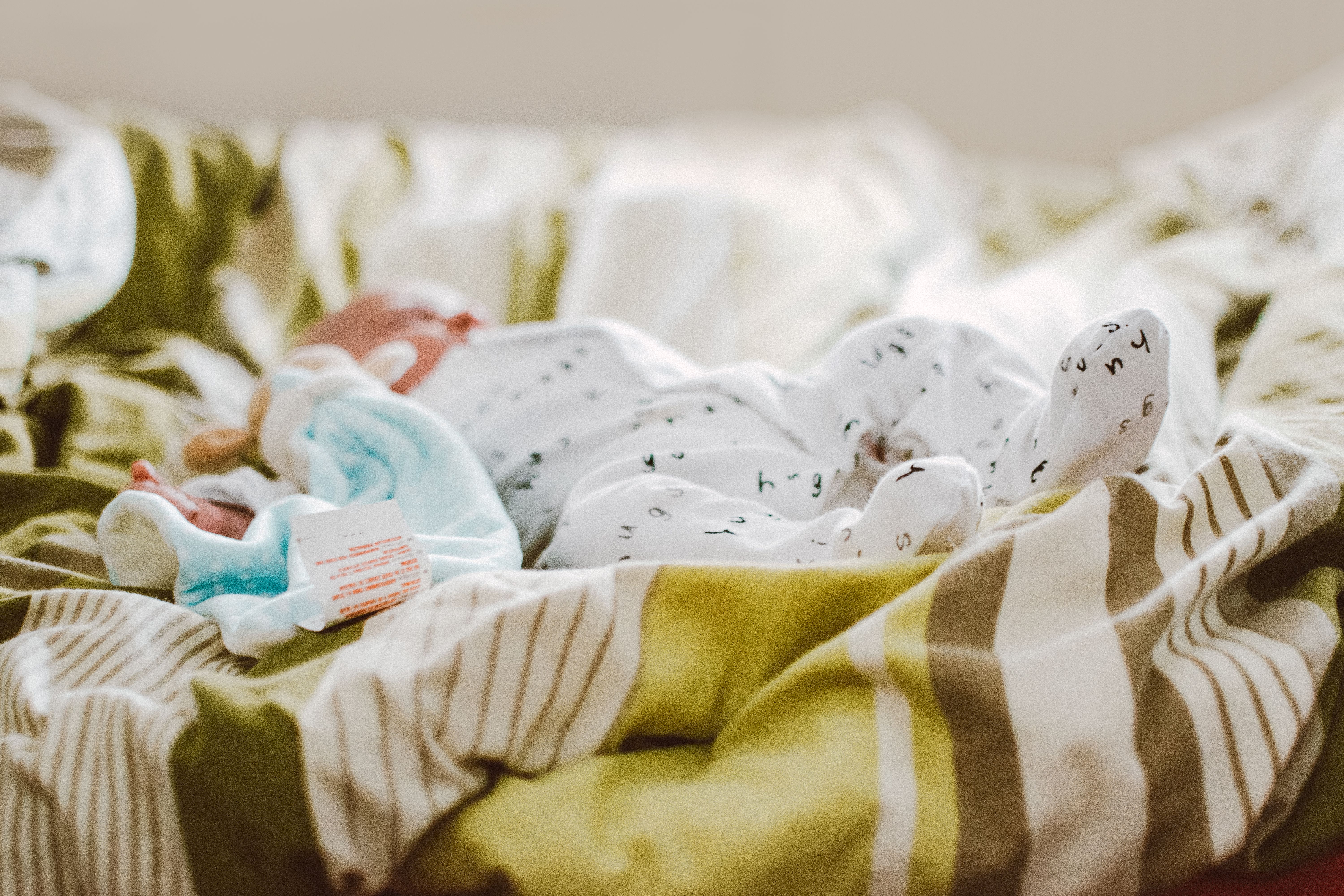
Fabric is only part of safe baby sleepwear
How to Read a Baby Sleepwear Label Before You Buy
A few seconds spent checking the label can tell you more than the marketing claims on the front of the package.
1. Check the fiber content
Look for the actual percentage of each fiber.
A product promoted as bamboo, for example, may say "95% viscose from bamboo, 5% elastane." That description gives you a much clearer idea of what the garment is made from.
For blends, check which fiber makes up the majority of the fabric.
2. Look at the size and fit guidance
Newborn clothing sizes vary considerably between brands. Use your baby's current measurements and the manufacturer's weight or length guidance rather than relying only on an age label such as "0-3 months."
For wearable blankets and sleep sacks in particular, the neck and arm openings should fit securely enough that the baby's head cannot slip inside.
3. Check the TOG rating when applicable
Sleep sacks often include a TOG rating or temperature guide.
Follow the manufacturer's recommendations for what the baby should wear underneath instead of assuming the sleep sack needs to be paired with pajamas, a bodysuit, and additional layers.
4. Read the washing instructions
Newborn sleepwear may be washed frequently because of spit-up, diaper leaks, and sweat.
Check whether the garment can be machine washed and dried and whether special care is required. This is particularly worth checking with wool and delicate bamboo-derived fabrics.
5. Look for safety warnings
Read any warnings about sleep use, sizing, swaddling, or when to discontinue the product.
A beautiful fabric should never outweigh clear safety instructions from the manufacturer.
Conclusion
So, what is the best fabric for baby sleepwear?
There is no single winner for every baby. Cotton and bamboo-derived viscose are both excellent everyday options, but they offer slightly different benefits.
Cotton is familiar, versatile, and easy to find in a wide range of weights. Bamboo-derived viscose stands out for its particularly soft, smooth, and lightweight feel, making it an attractive choice for parents who prioritize comfort and gentle-feeling sleepwear. Merino wool can work well when additional warmth is needed, while synthetic fabrics can offer durability and quick drying.
Instead of choosing sleepwear based on material alone, consider the fabric's thickness, room temperature, fit, TOG rating when applicable, and the other layers your baby is wearing.
Most importantly, choose sleepwear that keeps your baby comfortably dressed without overheating and that fits appropriately for safe sleep.


